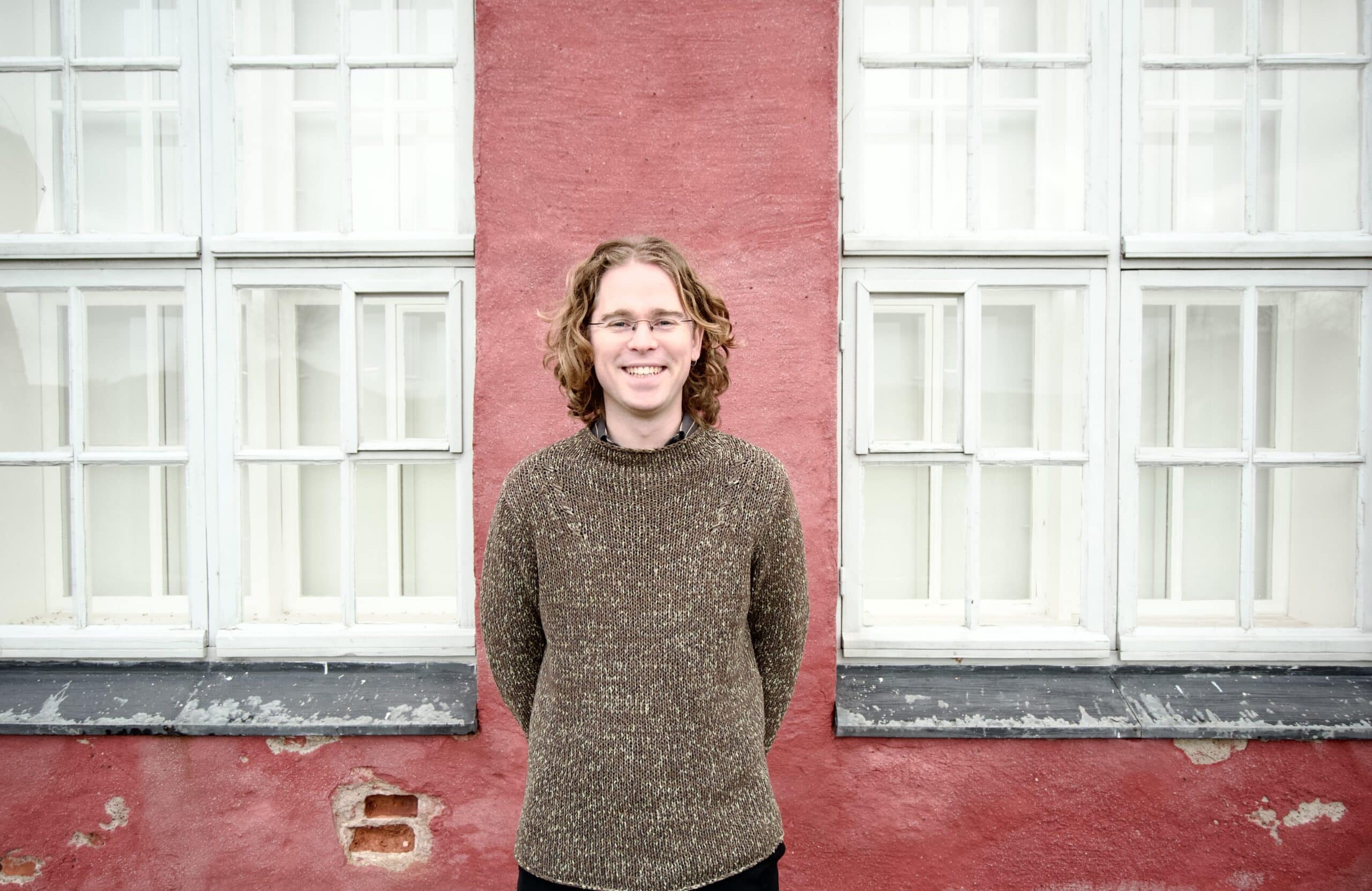
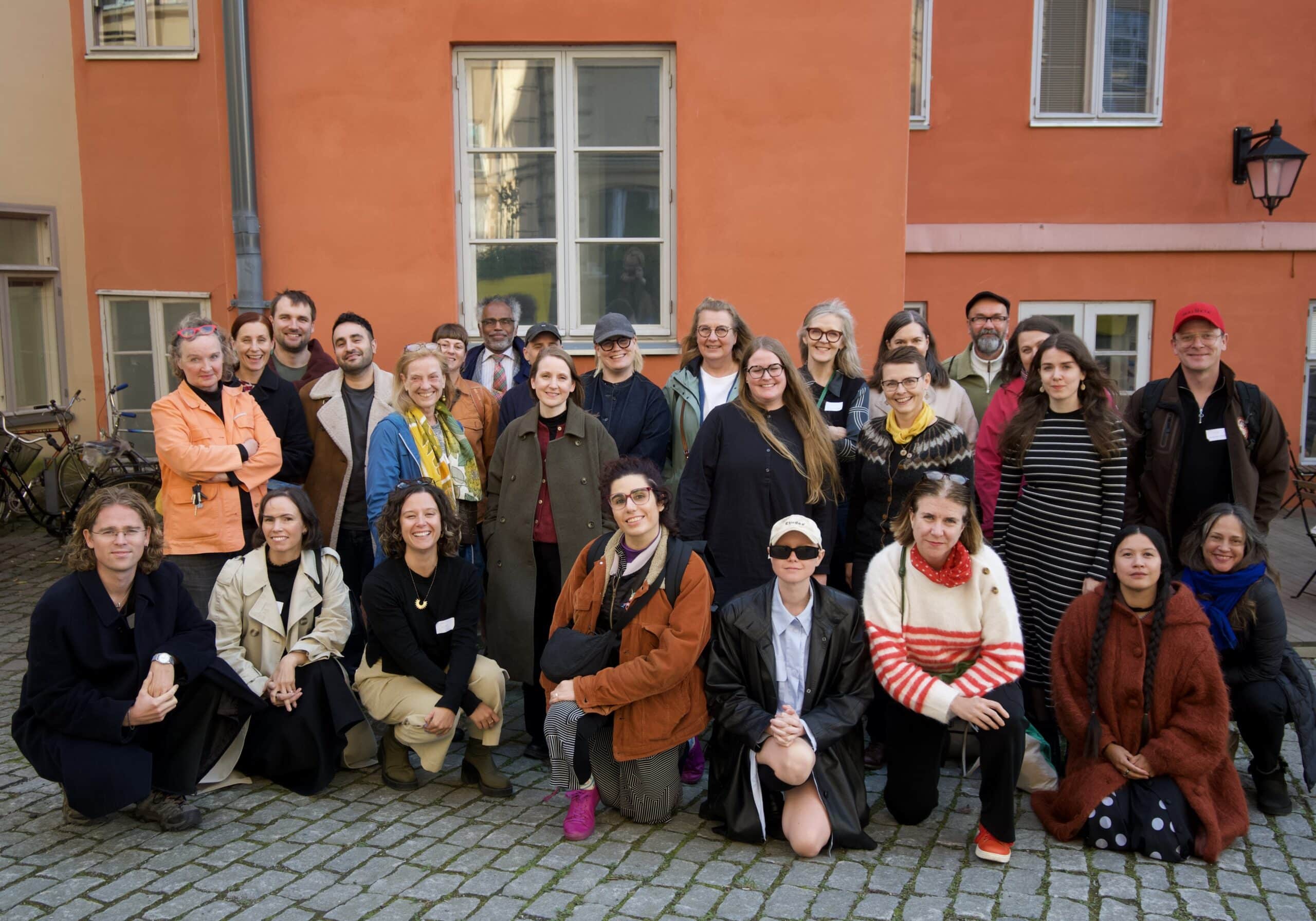
The FAIRE Gathering of 2025 happened in Turku this year between 25-26 September. The gathering was a great chance for all the FAIRE network members to come together and reflect on the past and future of the network. We asked Oscar Ravn Andersen, who was participating the FAIRE Gathering as an intern, what he thought of it all.
What’s your name, role at HIAP and where are you from?
I am Oscar, originally from Denmark. Currently, I am doing an internship at HIAP.
What is your background of study or interest, and how did you become interested in art residency organisations?
I have an BA in Media Production and Management from The School of Journalism and Media in Denmark. Currently, I am finishing my Masters in Visual Studies and Art Education. A Nordic Double degree between Aalborg University in Copenhagen and Aalto University.
What caught my attention about HIAP is the frameworks for culture and arts. How do we scaffold the production within these sectors? The combination of my BA and Masters made me profoundly curious about the organisational structures in the cultural industry.
This was your first FAIRE event — how did it feel to take part?
I enjoyed meeting people from all over Finland, who worked in this specific field. I did not know that Finland contained so many spots for residencies. I found it captivating to examine the issues of hosting and welcoming people from all around the world. I understood that residencies and hosting artists are important elements of art production that I wasn’t aware of before joining HIAP and the FAIRE event.
What were your first impressions of the Finnish artist residency professionals’ community?
I had an impression that this was a welcoming and caring community. This network is focusing on how to facilitate and support artists in their work and practices. This hospitality was evident for the gathering as well.
The first day focused on the future of the FAIRE network. What kind of ideas or themes stood out to you in those discussions?
Funding was a central part of the conversation in the group I joined. How to create sustainable residencies for everyone involved, both the host and the residency. In addition to this, how does the network create the needed awareness for the importance of it.
We were also joined by Kemê Pellicer, who held a workshop for us on cultural safety in art residencies. What did you take away from that workshop?
The presentation concerning cultural safety was very interesting. We used time discussing how we as residencies could be better prepared to welcome a broad range of people with various backgrounds. From this workshop I got specific theories on how to facilitate cultural safety for diverse groups and also how to position myself in this situation.
On the second day, we visited three residencies in the Turku area in Life on a Leaf, Taattisten tila and Titanik A-i-R. What did you think of these residencies, what left an impression on you?
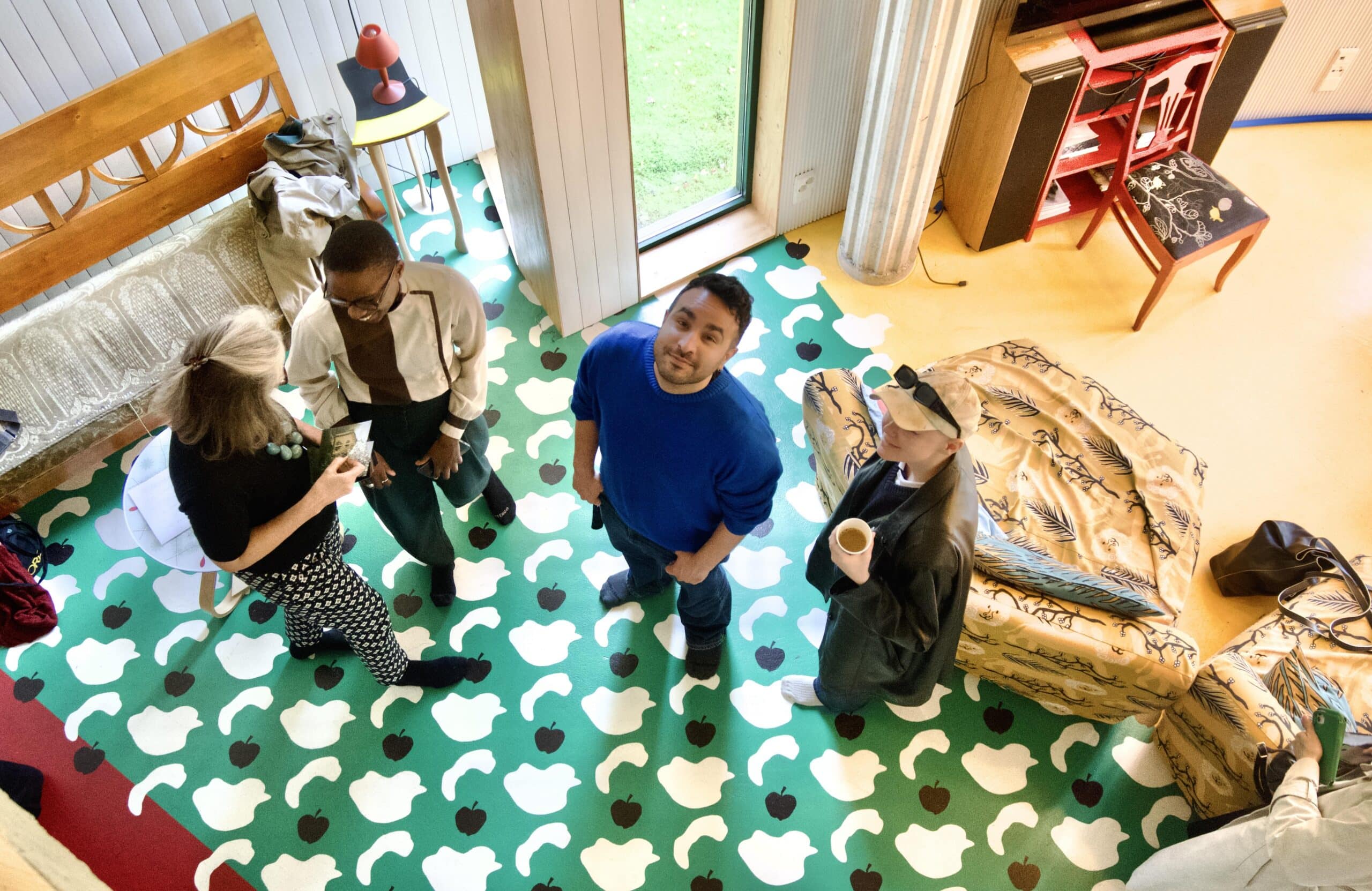
I was quite amazed, I would say. Especially about visiting other residences’ facilities. As mentioned it is a new field for me, and the fact that you can go to places like these is amazing. All the artworks at Life on a Leave were very playful. The old farm and the facilities for working with clay at Taattisten tila made me want to apply and start working with clay.
Was there anything that surprised you about how residencies operate in practice?
The insights from the gathering, and my work at HIAP, made me aware that creating residencies is about supporting others in their work. I am not sure how to describe it. Yet, there is a huge task in hosting and working with care for the people who arrive. For the people working with this, they need to excel at working with people. They will face various challenges, conflicts and issues that can be quite complex. And the important work they do, might not be that visible in the end.
What did the FAIRE Gathering teach you about the role of art residencies in supporting artists and local communities around them?
The gathering made me aware that art residencies can play a role in supporting local communities. Moreover, it can contribute to creating a community. I realized that these residencies actually are an important part of the art eco-system and the artists need places to stay, where they have time and resources to examine, experiment, and unfold their practice.
Text: Maija Lindström and Oscar Ravn Andersen